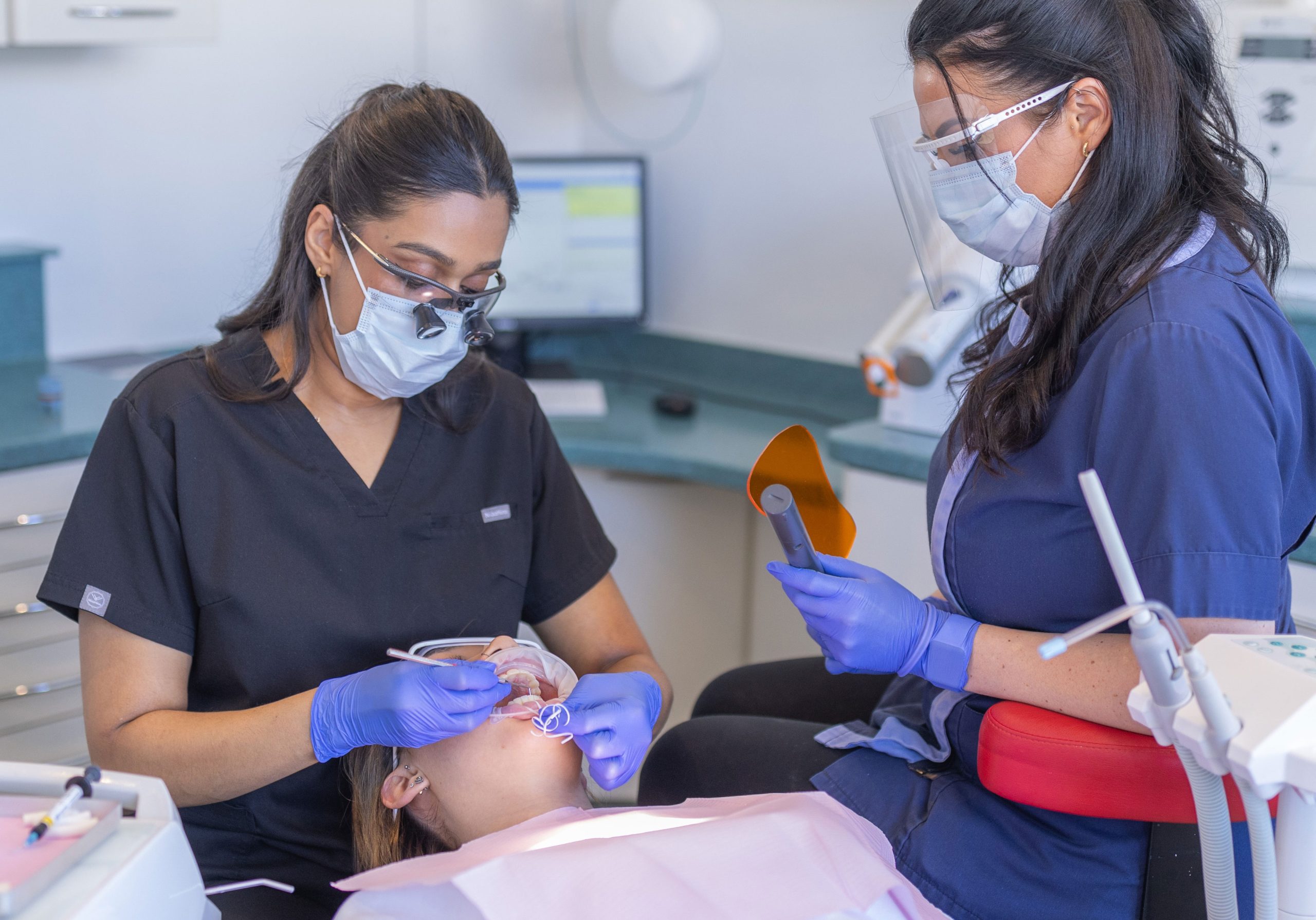
Why have root canal treatment?

Relieve pain icon

Relieve pain

Eliminate severe pain from an infected tooth with focused root canal treatment

Save your tooth  icon

Save your tooth

Root canal treatment allows you to keep your natural tooth structure in place, better for your long-term oral health and tooth alignment.

Long-lasting icon

Long-lasting

If cared for properly, a root-treated tooth has the potential to last problem-free for the rest of your life.

Protect your health icon

Protect your health

Successful treatment stops infection from spreading to other parts of your mouth, safeguarding your overall oral health.

Floret

What is root canal treatment?

Root canal treatment, also known as endodontics, is a procedure that involves removing infected or inflamed pulp tissues from deep inside an affected tooth. This relieves severe pain, stops infection from spreading, and restores your tooth’s function.

The dental pulp is the soft tissue inside your tooth, containing nerves and blood vessels. It can become infected or inflamed due to deep decay, repeated or large restorations, cracked or fractured teeth, excessive wear or severe gum disease. Signs you may need a root canal include persistent severe pain, prolonged sensitivity to hot or cold, swelling, tenderness, or tooth discolouration. If you notice any of these signs, please contact us to book a consultation.

Root Canal Treatment

Specialist endodontic care available

For particularly complex cases, we’re proud to offer the expertise of our in-house dentist with special interest in endodontics. They use advanced techniques and technology to treat difficult root canals, re-treatments or surgical endodontics. If you’re in pain or would like to talk to us about treatment, book your consultation today!

Contact us
Root Canal Treatment

Meet our exceptional root canal dentist with special interest

Our skilled root canal dentist, Dr Haseeb Abbasi, is passionate about ensuring his patients’ smiles stay happy and healthy through treatment. He has a calm approach, and is always on hand to ease his patients’ worries. He holds a Master’s degree in Endodontics and focuses his practice solely on root canal treatment, so you can be sure you’re in safe and experienced hands!

Read more about Haseeb

What does root canal treatment involve?

  1. Root Canal Treatment

    Consultation

    We’ll begin your root canal treatment with a full consultation. We’ll examine your painful tooth and use digital X-rays to get a more detailed picture of the root canals and surrounding bone. You’re also given the chance to ask any questions.

  2. Root Canal Treatment

    Cleaning

    We’ll fully numb the area with local anaesthetic to ensure a pain-free procedure. We’ll make a small opening in your tooth crown to access the pulp, and remove the infected tissue using specialised instruments. The root canals are then disinfected with an antibacterial solution to fully clean them.

  3. Root Canal Treatment

    Shaping & sealing

    We’ll shape the root canals using specialised tools, before filling them with a rubber material called gutta-percha. We’ll seal your tooth with a temporary filling, preventing further infection.

  4. Root Canal Treatment

    Restoration

    We’ll complete your root canal treatment by sealing your tooth with a permanent filling. We often recommend placing a crown soon after treatment to strengthen your tooth and restore function.

Floret

NHS Root Canal Treatment

Root canal treatment is a procedure used to save a tooth when the nerve has become infected or inflamed. Under the NHS, root canal treatment is generally included within the NHS Band 2 charge, which covers a range of treatments designed to restore oral health.

NHS Band 2 treatment currently costs £76.60 and includes procedures such as fillings, root canal treatment and tooth extractions.

Why Some Root Canal Treatments Cannot Be Provided Under NHS General Dental Care.

While many root canal treatments can be carried out successfully in a general dental practice under the NHS, some cases are considerably more complex and may require treatment by a dentist with additional expertise or a specialist endodontist.

Examples include:

  • Teeth with very curved or narrow root canals
  • Previously failed root canal treatments requiring retreatment
  • Teeth with complex anatomy
  • Cases where specialised equipment and techniques are required
  • Situations where the likelihood of a successful outcome is reduced without advanced treatment

In these circumstances, your dentist will discuss the available options with you and may recommend referral to a specialist endodontist.

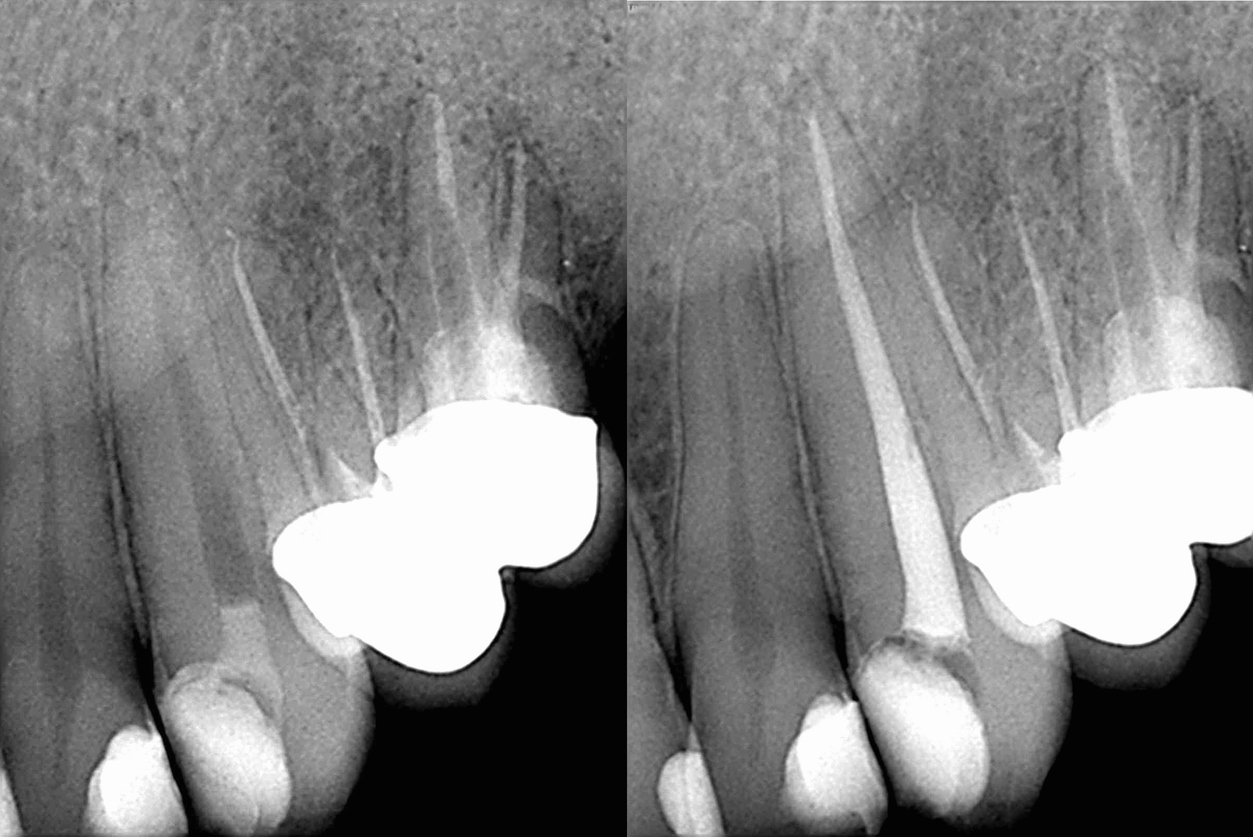
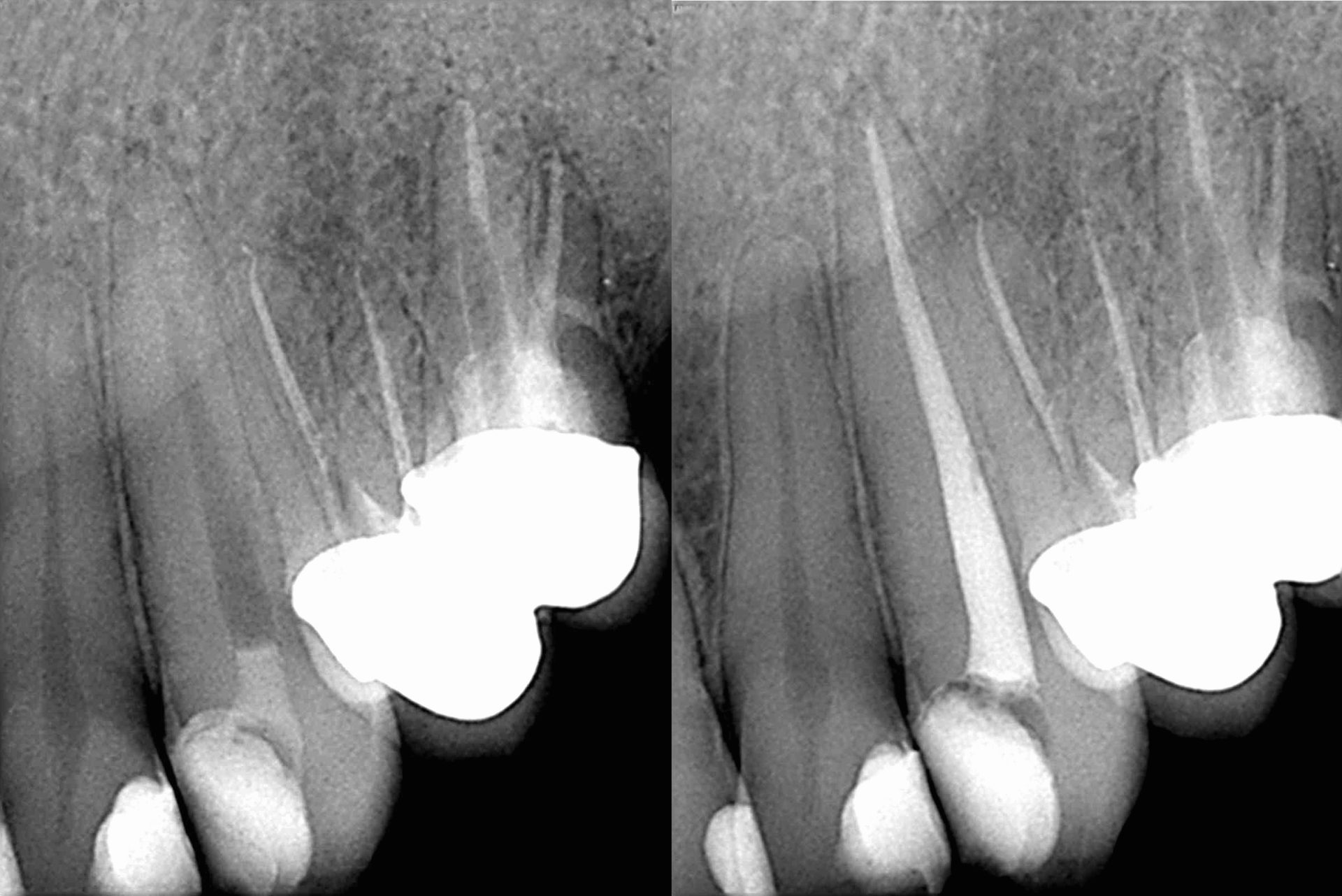
Endodontics xray

NHS referral and private referral options

Unfortunately, NHS-funded specialist endodontic services are limited and are usually reserved for cases that meet strict local referral criteria. Not all teeth or clinical situations qualify for NHS specialist referral.
Where a case does not meet NHS referral criteria, or where NHS specialist services are unavailable, treatment may need to be provided on a private basis by a specialist endodontist or specialist interest dentist. Your dentist will explain the reasons for this recommendation and discuss all available options, including the benefits, risks and costs involved.

Our approach

Our priority is always to help you keep your natural teeth whenever possible. We will assess your tooth carefully and advise whether root canal treatment can be carried out within the practice, whether an NHS referral is appropriate, or whether specialist private treatment would provide the best chance of long-term success.

Following root canal treatment

After root canal treatment has been completed, the tooth may become more brittle and susceptible to fracture, particularly in back teeth that are subjected to significant chewing forces.

For this reason, a crown is often recommended following successful root canal treatment to help protect the remaining tooth structure and improve the long-term prognosis of the tooth. In many cases, placing a crown can significantly reduce the risk of the tooth breaking in the future.

The need for a crown will depend on several factors, including:

  • The type and position of the tooth
  • How much healthy tooth structure remains
  • Whether the tooth already has a large filling
  • The level of biting forces placed on the tooth

Under the NHS, crowns are generally provided as a Band 3 cost of £332.10 treatment where they are clinically necessary. If a crown is recommended, your dentist will discuss the available options and associated costs with you before treatment proceeds.

The River Stort in Harlow Essex, the tree lined path

Frequently asked questions

The exact cost of a root canal varies because it depends on the complexity of your specific case. At our dental practice in Harlow, we will always provide you with a personalised, written quote after your initial consultation. If you would like a guide to our root canal treatment fees, please get in touch.