
Dental Bridges

Why choose a bridge?

  • Improve appearance and confidence
  • Long-lasting function and comfort
  • Restore your bite and ability to chew properly
  • Prevent alignment issues by stopping adjacent natural teeth from drifting
  • Can be combined with dental implants to replace several missing teeth

What types of bridges are available?

Floret

Conventional bridges

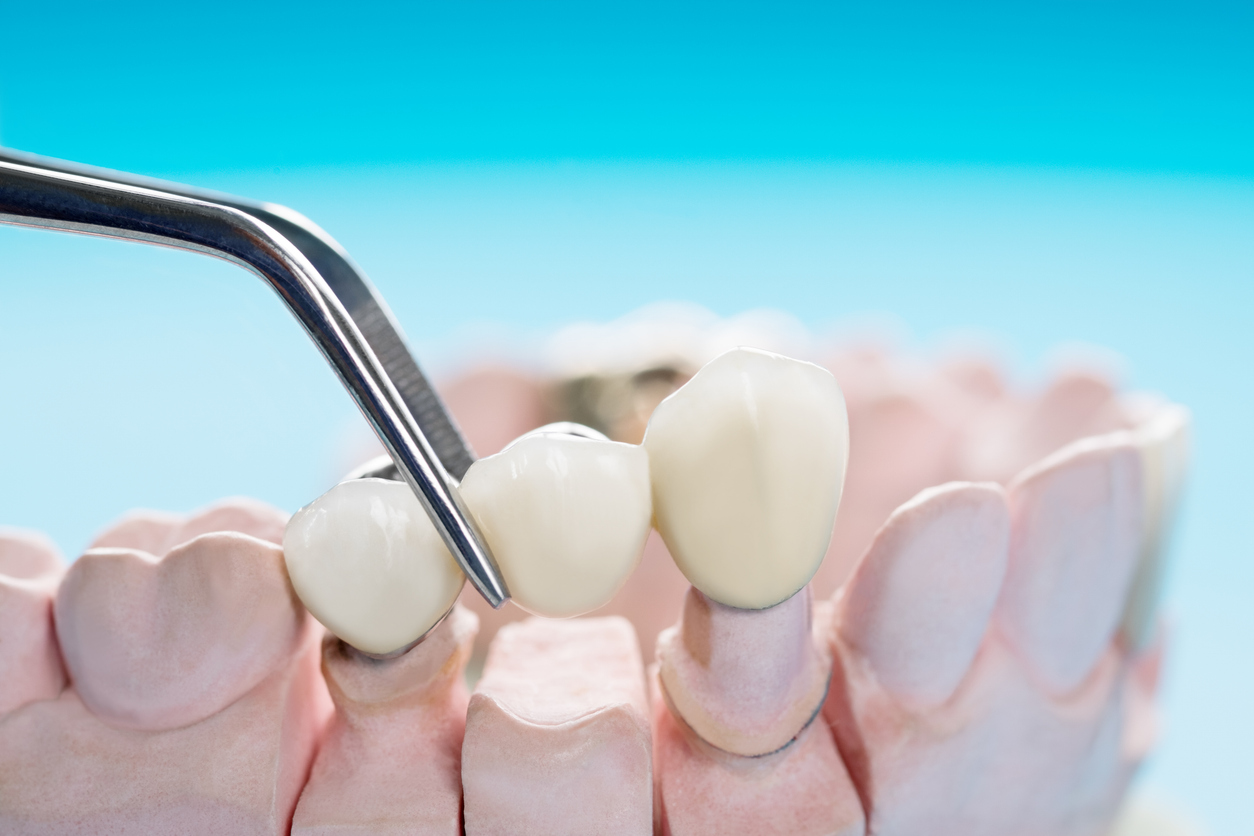
With a conventional bridge, usually the teeth on either side of the gap are prepared and crowns are placed as support. These are attached to the artificial tooth, which bridges the gap and completes your smile.

Dental Bridges
Dental Bridges
Floret

Adhesive (Maryland) bridges

Adhesive bridges require virtually no drilling of the teeth on either side of the gap to be filled. They can be made with metal or ceramic wings (brackets) glued to hold the false tooth securely in place. They work best when the teeth next to the gap are perfect or have very small fillings in them. They are much cheaper and easier than an implant, but they are not suitable for filling every gap.

Dental Bridges

What does the treatment involve?

We begin by ensuring you are comfortable and ready for treatment. We thoroughly examine your mouth to confirm the supporting teeth are healthy and strong enough. We then prepare these anchor teeth by precisely removing a small amount of enamel.

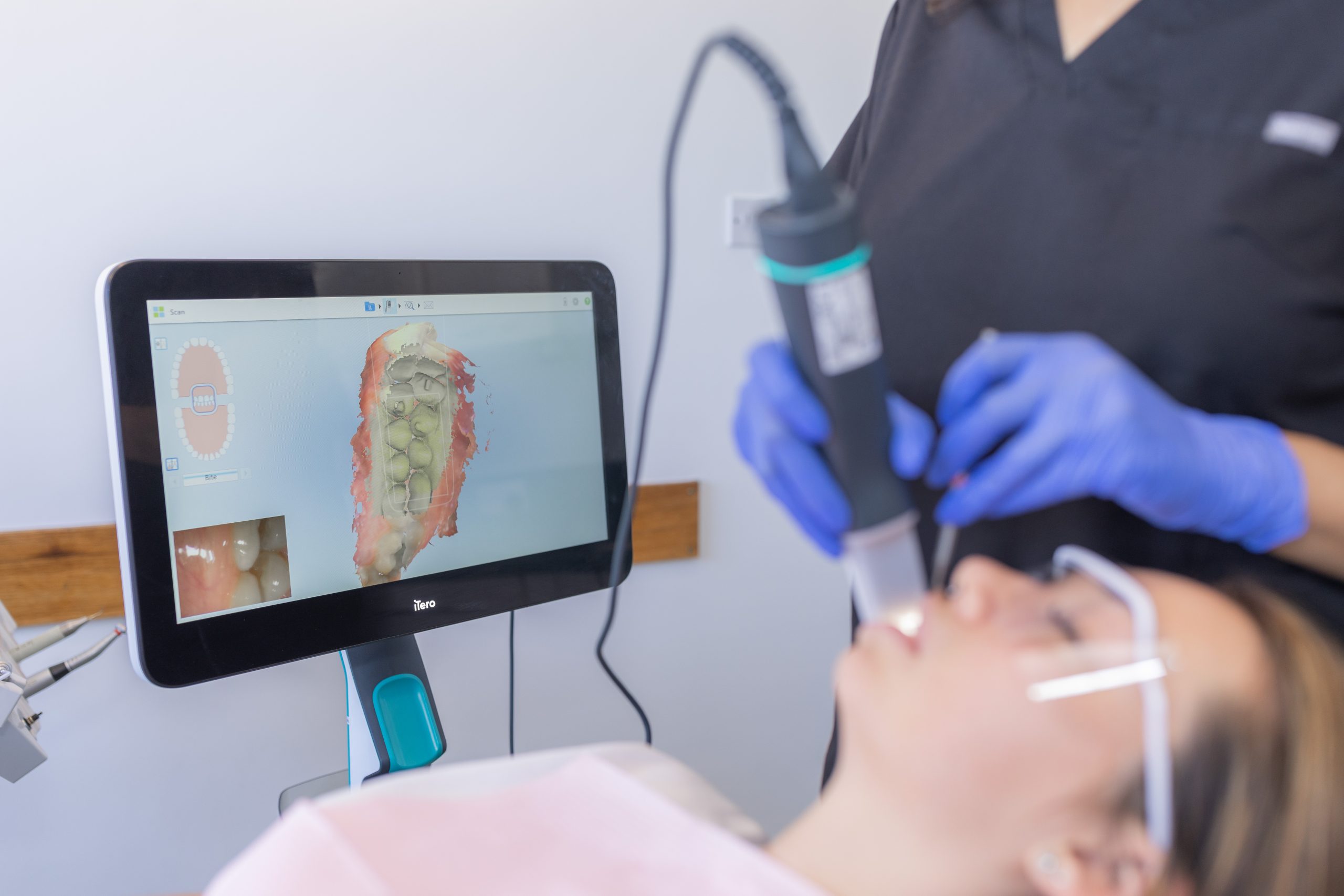
We take impressions or digital scans of the prepared area, which are sent to the dental laboratory. While your bridge is being custom-made, we will fit you with a temporary bridge to protect the exposed teeth and allow you to chew normally.

When your final bridge is ready, we check it to ensure it fits perfectly, making any small adjustments if necessary. Your bespoke bridge is then permanently fixed in place using strong dental cement.

Book appointment
The River Stort in Harlow Essex, the tree lined path

Frequently asked questions

Proper care is essential to keep your bridge and the surrounding teeth healthy. Use a special bridge floss or interdental brushes to clean under and around the bridge, and make sure you brush twice daily, maintaining excellent oral hygiene habits. You should also attend regular dental check-ups and hygienist appointments. Your dentist or hygienist will show you correct cleaning techniques, and how to keep the area free from gum disease, bad breath, and future complications.