
Dentures

Why choose dentures?

  • A strong and stable option for replacing missing teeth
  • Improve speech, chewing, facial appearance and quality of life
  • Custom-made and coloured to look just like your natural teeth
  • Provide vital support to your cheeks and lips
  • Choice of full or partial dentures depending on your needs

Different types of dentures at Keats House Dental Surgery

Floret

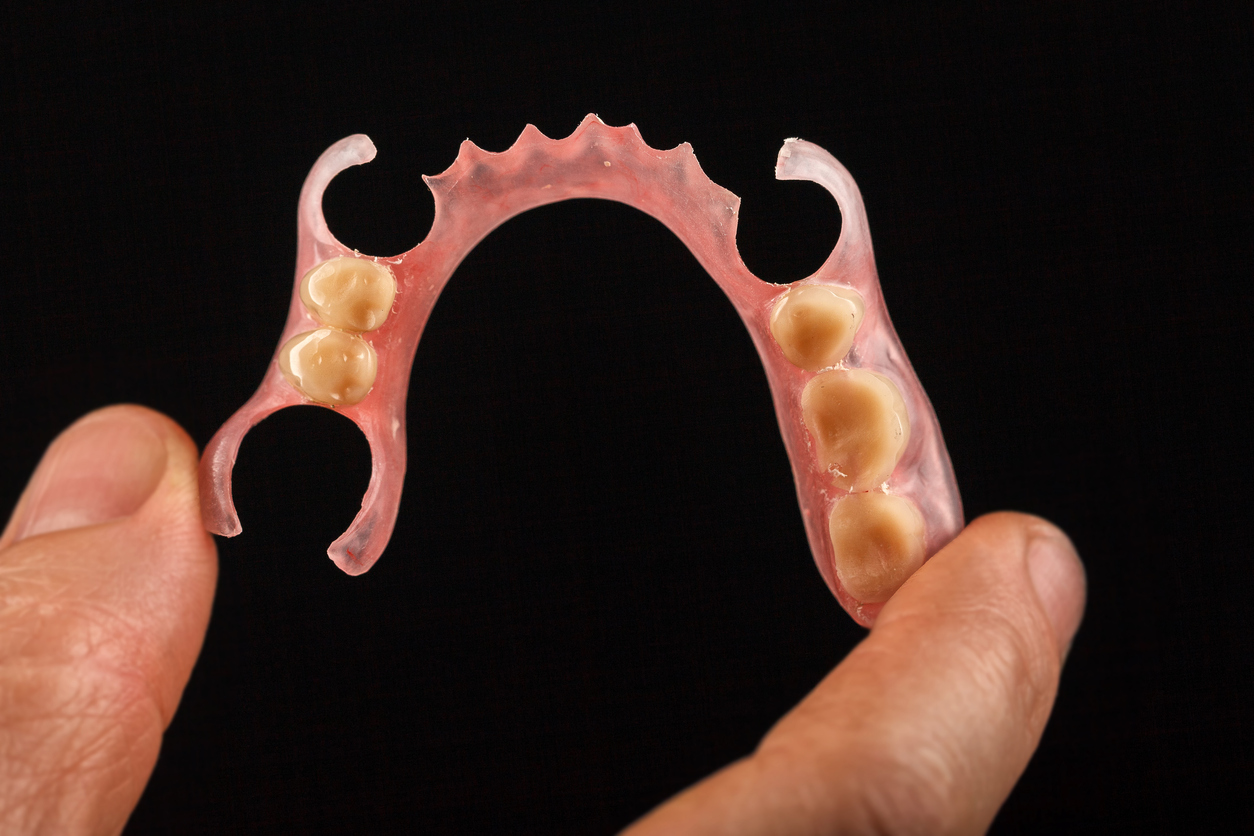
Flexible dentures (Valplast)

Valplast is a world-leading flexible denture material, giving lightweight, comfortable and natural-looking results. Valplast dentures are ultra thin, durable, and blend in with your natural gum colour. They also have no metal clasps, instead using gum-coloured hooks for grip. Flexible dentures are ideal for patients who want a discreet and aesthetic partial denture without compromising on comfort.

Dentures
Dentures
Floret

Cobalt chrome dentures

These metal-based dentures are made from a strong cobalt-chromium alloy, with acrylic teeth and gums attached. They are a stronger, thinner, lighter and more comfortable option than full acrylic. Cobalt chrome dentures can be designed to minimise contact with your soft palate, reducing the gag reflex. They are perfect for long-term wearers who want a durable and stable partial denture.

Floret

Implant-retained dentures

For patients who want maximum stability, dentures can be anchored to dental implants rather than resting solely on gums. Removable implant dentures use clip attachments to ensure a secure fit and remain easy to remove for cleaning and maintenance, while fixed implant dentures are permanently in place. Implant-retained dentures are ideal for patients struggling with loose dentures, poor bone retention, or are seeking a premium full-arch solution. Typically, two or more implants are used for the best results.

Dentures

What does the denture treatment process involve?

The process of making a new denture typically takes around four appointments, usually scheduled approximately one week apart. Treatment times can vary depending on individual circumstances.

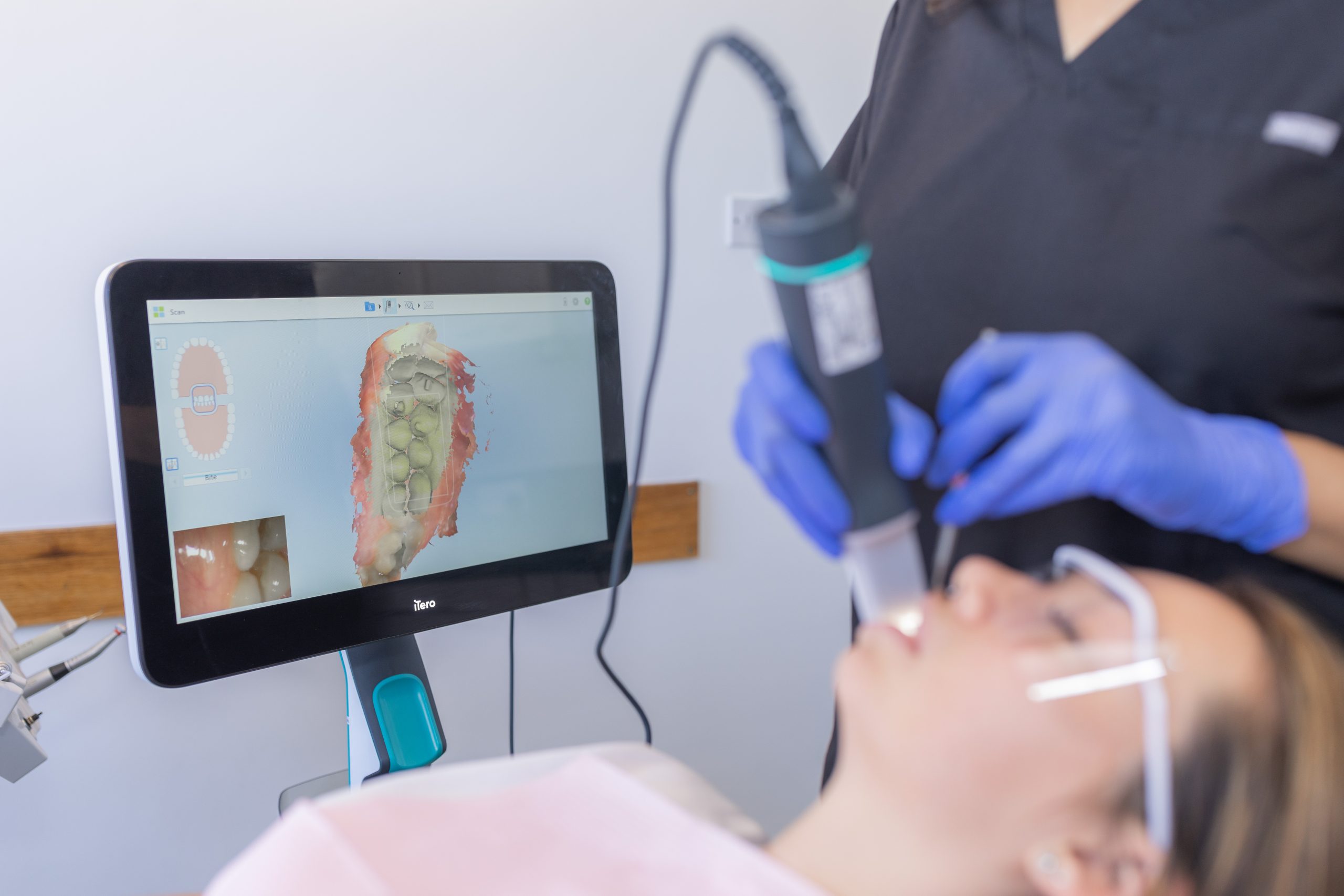
  1. Dentist taking patients dental impression

    Assessment and impressions

    • Examination of your mouth and gums.
    • Discussion of your denture requirements.
    • Initial impressions are taken to begin the denture construction process.
  2. Dentures

    Detailed impressions

    • More precise impressions are taken to ensure the best possible fit and comfort.
    • Measurements may be recorded to help design the denture.
  3. Dentures

    Try-in appointment

    • A trial denture with teeth set in wax is fitted.
    • The appearance, bite, and tooth position are checked.
    • Any necessary adjustments are made before the final denture is made.
  4. Dentures

    Denture fit

    • Your completed denture is fitted.
    • Instructions on denture care and maintenance are provided.
    • Any initial adjustments can be made as needed.
  5. denture repair

    Follow-up adjustments

    It is common to require minor adjustments after receiving a new denture as your mouth adapts. Additional review appointments can be arranged if necessary to improve comfort and fit.

Dentures

NHS acrylic dentures (band 3 treatment)

NHS acrylic dentures are available as part of NHS Band 3 treatment cost of £332.10. This band covers the cost of all clinically necessary treatment required to provide your denture, including any examinations, impressions, fittings, and adjustments needed during the course of treatment.

Acrylic dentures are removable replacements for missing teeth and surrounding gum tissue. They can be used to replace a single tooth, several teeth, or a full arch of teeth. NHS dentures are designed to restore appearance, speech, and chewing function while providing a comfortable and functional replacement for missing teeth.

The River Stort in Harlow Essex, the tree lined path

Frequently asked questions

It’s completely normal for new dentures to feel strange at first. With time and patience, most people adapt well. When eating, start with soft foods cut into small pieces and chew on both sides to prevent tipping. Increased saliva is common but temporary, and usually settles within a few days. If you experience any sore spots or irritation, please visit your dentist for an adjustment.