
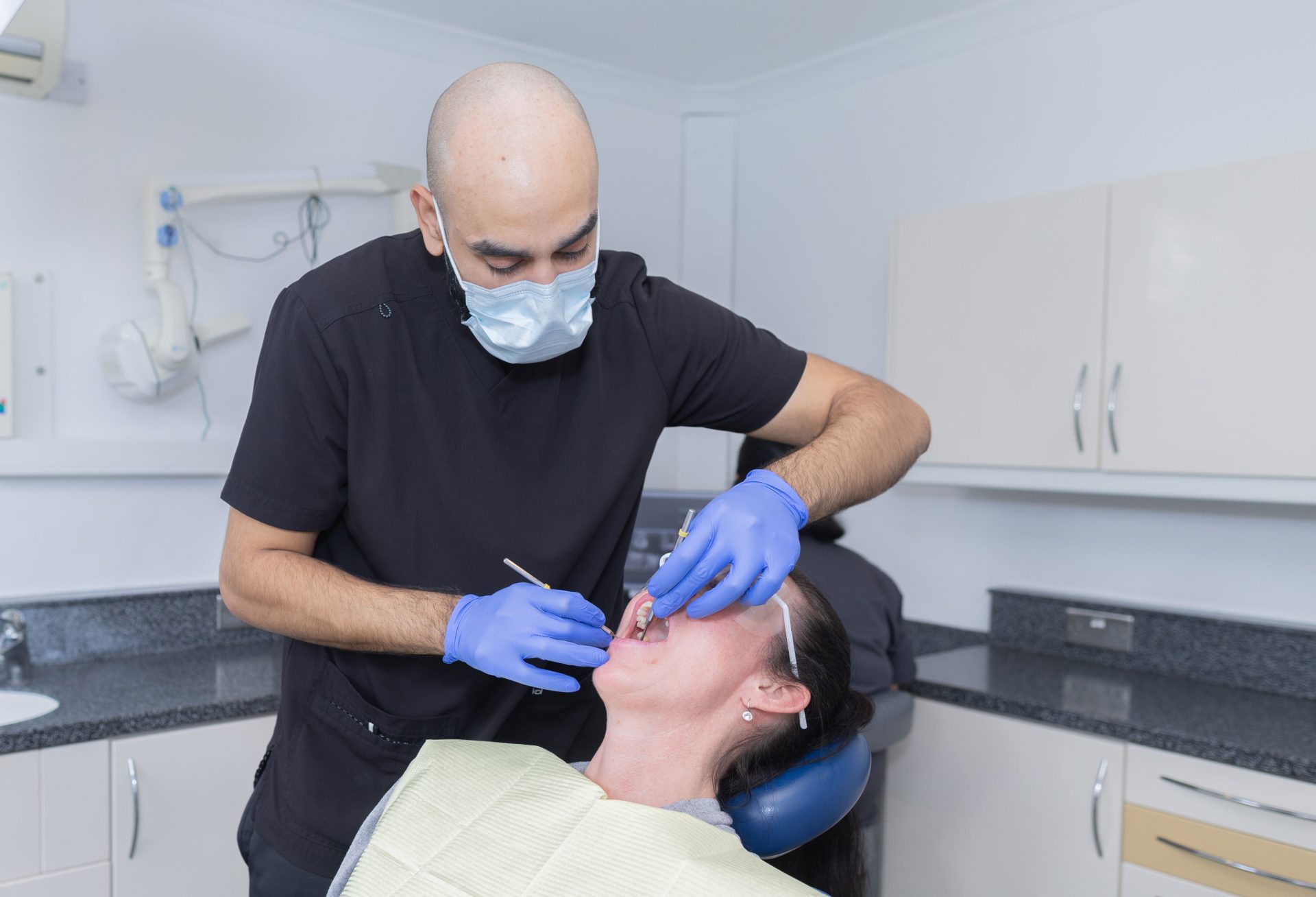

Oral Biopsy & Soft Tissue Surgery

When is a biopsy or soft tissue surgery needed?

You may need a biopsy or minor soft tissue surgery if you notice any of the following. These symptoms don’t always indicate something serious, but a biopsy is the only way to confirm a diagnosis.

  • A persistent ulcer that hasn’t healed after 2-3 weeks
  • A red, white or pigmented patch inside the mouth
  • A lump or swelling in the gums, tongue or cheeks
  • A growth that’s increasing in size or causing discomfort
  • Repeated bleeding or pain in a specific oral area
  • Changes in the texture or appearance of oral tissue
Oral Biopsy & Soft Tissue Surgery

What is an oral biopsy?

An oral biopsy is a minor surgical procedure used to remove a small sample of abnormal tissue from the mouth for laboratory analysis. It helps determine the cause of suspicious areas in the soft tissues of the mouth, lips, tongue, gum, or cheeks.

The biopsy helps to diagnose benign (non-cancerous) growths, inflammatory or autoimmune conditions, infections, oral cancer or pre-cancerous changes. Early diagnosis is key to successful treatment, and most oral biopsies are performed as precautionary, routine investigations.

Floret

What does the procedure involve?

The oral biopsy procedure is performed on a private basis under local anaesthetic and typically takes around 20-30 minutes. For nervous patients, we also offer IV sedation for a more relaxed experience.

Once your mouth is numbed, we’ll remove a small piece of tissue and suture (stitch) the area if necessary. We’ll send the sample to a specialist lab for analysis.

You’ll be contacted once the results are ready, which is usually within 7-14 days. You’ll also receive full aftercare instructions to support healing.

Book an appointment
The River Stort in Harlow Essex, the tree lined path

Frequently asked questions

We can carry out a range of minor oral surgical procedures involving soft tissue. All procedures are carried out with attention to comfort, precision, and healing. These include:

  • Removal of benign oral growths (e.g. fibromas, papillomas)
  • Frenectomy – trimming or removing the frenum (lip or tongue tie)
  • Mucocele removal – treatment for cysts in the lips or cheeks
  • Gum contouring – correcting overgrown or uneven gums
  • Gingival biopsies – for gum inflammation or persistent lesions